
Is Father Christmas real? What to tell your child, depending on their age
November 25, 2026 · 5 min read
They look at you and ask: "Is Father Christmas real?" The words that keep the magic alive at 4, the ones that help with the doubts at 6, and how to tell the truth when they want it.
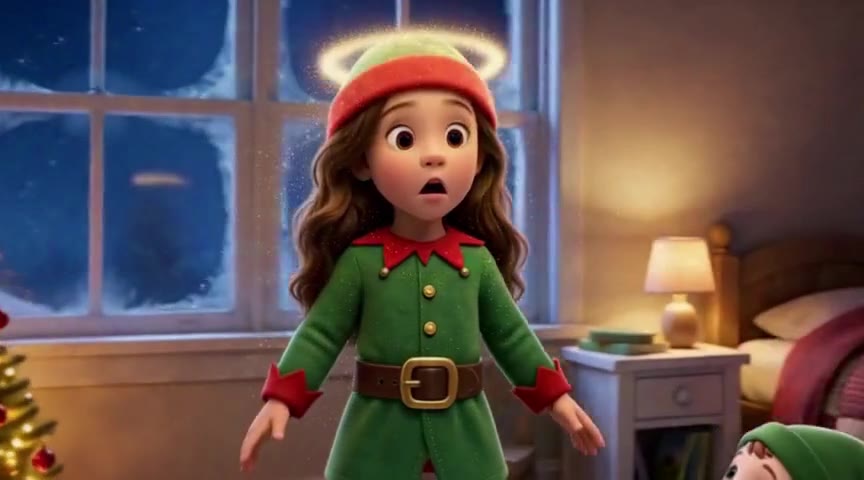
The question comes one evening, often after school: "Mum, is Father Christmas real?" (or, as plenty of British children put it, "Is Santa real?") There is no single right answer. There is the one that suits your child, their age, and what they are really looking for when they ask. Before you answer, one reflex almost always helps: turn the question back to them.
First, ask what they think
"What do you think?" That one sentence tells you straight away where they are.
- If they say "Of course he's real!", they mostly wanted to be reassured. A smile, "it's a good question to ask", and the magic goes on.
- If they say "Noah says it's just the parents", they have doubts, and they are asking you to help them sort it out. Read the part about doubt below.
- If they say "I think it's you", they have already worked it out alone. They are waiting for you to confirm it, gently.
By age
At 3, 4 and 5: they believe, and it is their world
At this age, imagination and reality still blend together. When they ask whether Father Christmas is real, they are rarely asking about truth: they want to know if Father Christmas will come to their house, if he will find the chimney, if he got their letter. Answer that question.
"Father Christmas comes to every child who is waiting for him. Shall we leave him a mince pie, and a carrot for the reindeer?"
At 6 and 7: the doubts begin
A friend said something on the playground. They saw a store tag on a present. They do the math: how can anyone go around the whole world in one night? They have doubts, but often they still want to believe. Leave the door open for them.
"Some children believe, some don't. What would you like to believe?"
"What I know is that the magic of Christmas is real for as long as you believe in it a little."
At 8 and older: they want the truth
If they ask the question straight out, two or three times, looking you in the eye, they are ready. Tell them, gently, and turn it into a promotion rather than a disappointment.
"You're right: Father Christmas is the parents, and everyone who loves children. Now that you're big, you know the secret. Would you like to help us be Father Christmas for your little sister?"
Many children love becoming an "elf" in turn: choosing a present for a younger child, hiding the packages, taking a bite out of the reindeer's carrot on Christmas morning.
When a friend said Father Christmas isn't real
This is the most common case, and the most delicate one: your child comes home upset, sometimes angry. Start with the feeling before the question.
- "How did it feel when they said that?" If they are sad, they still want to believe: reassure them.
- "Every family celebrates Christmas in its own way." In some families, there is no Father Christmas. Nobody is wrong, and we don't spoil Christmas for others.
- Avoid "your friend is lying". The day they find out, they will remember who told the truth.
Keeping the magic, even once they know
Knowing does not end Christmas. The rituals stay, and those are what they remember: the letter to Father Christmas you write together, the bedtime story, the songs, the mince pie, the stocking and the carrot by the tree.
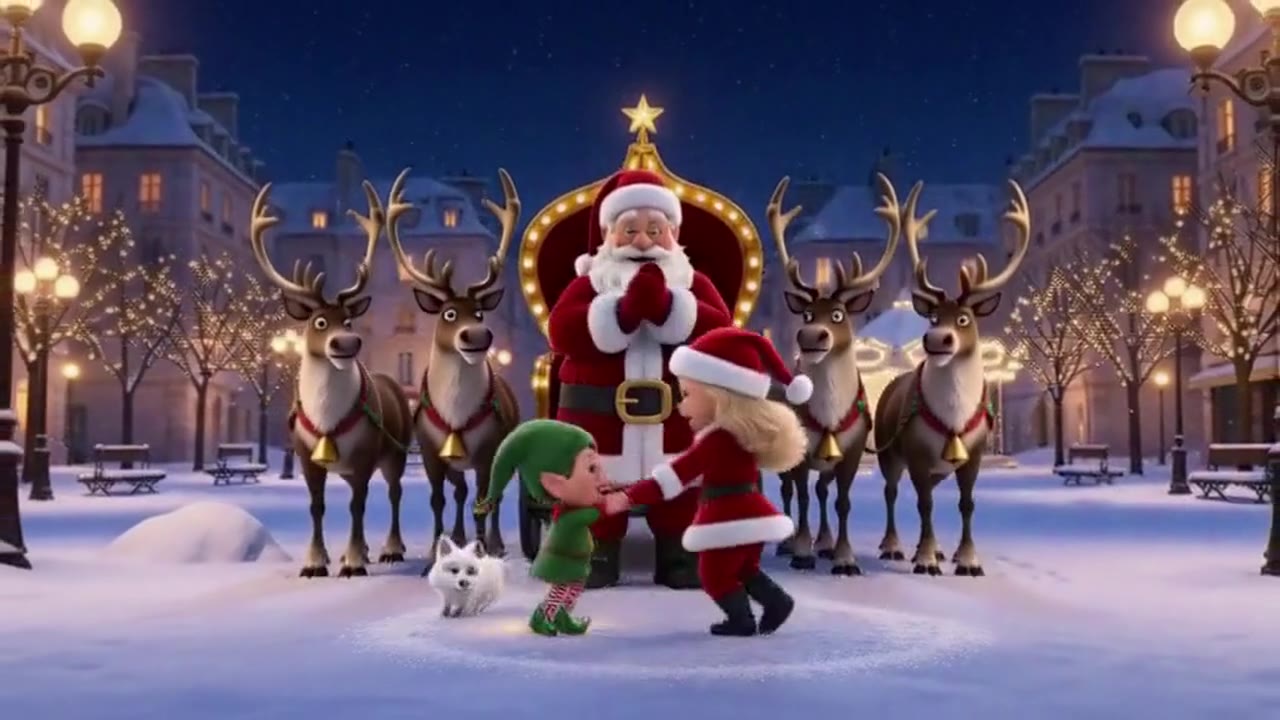
Our cartoon The night Father Christmas needed you plays on that very dream: this year, it is not Father Christmas who brings the magic, it is your child who saves it. Drawn from their photo, called by their name all through the story, they help Father Christmas find the star from his sleigh.
Questions parents ask us
Is it lying to tell my child about Father Christmas?
It is a game the whole family plays together, like a story you tell. What matters is not to lie on the day they sincerely ask for the truth, and to tell it to them tenderly.
At what age do children stop believing in Father Christmas?
There is no set age. Doubt often comes in the early school years, when friends talk about it. Some children keep the secret long after they have figured it out, because they love believing a little longer.
What do we do when the older one knows and the younger one still believes?
Give the older one a role: they become one of Father Christmas's elves. They help hide the presents, prepare the little one's letter, keep the secret. Most of them take it very seriously.
What if they are sad when they learn the truth?
Let them be sad for a while, that is normal. Then remind them of everything that stays: the presents, the rituals, the family, and the joy of being Father Christmas for someone else.